

Last Updated: November 10, 2026
Quick Summary
To replicate bakery cookie flavors at home, start with a reliable base dough, split one batch into equal weighted portions, and add one flavor per portion. Use dry additions like cocoa or spices, chopped solids like chocolate or toasted pecans, and a small amount of extract. Chill the dough and portion it generously before baking.
- Split dough by weight, so a 600-gram batch becomes four 150-gram portions.
- Add dry flavorings like cocoa or spice at 1 to 2 tablespoons per portion.
- Keep chopped mix-ins at about 1/4 to 1/3 cup per portion so the dough holds together.
- Limit vanilla or citrus extract to about 1/4 teaspoon per portion to prevent spreading.
- Chill portioned dough for at least 30 minutes before baking for thicker, chewier cookies.
Table of Contents
- Why Bakery Cookies Taste Different From Homemade
- Start With a Reliable Base Cookie Dough
- Ways to Split One Batch Into Multiple Flavors
- Bakery Cookie Flavor Ideas and Combinations
- Getting Thick, Chewy Bakery-Style Cookies
- Troubleshooting Flavor and Texture Problems
- Put Your Own Bakery Cookie Flavors to Work With Lura's Kitchen
- Frequently Asked Questions
Why Bakery Cookies Taste Different From Homemade
Bakery cookies look and taste different because they follow a repeatable formula, not a loose家庭 recipe. Their centers stay thick and chewy, their edges turn crisp, and their flavors hit hard. At Lura's Kitchen, we start with that goal in mind, then work backward to find the steps that get you there at home.
Most home bakers get close, but not quite there. The dough spreads too much, the flavor tastes flat, or the texture comes out cakey. Once you understand why this happens, you can fix it. This guide walks you through seven steps to recreate bakery cookie flavors in your own kitchen, using a base dough you can trust and simple ways to vary it.
- Bakery cookies use more fat and sugar relative to flour than most home recipes
- They are often portioned larger and chilled before baking
- Flavor comes from high-quality mix-ins and a few targeted extracts or spices
Start With a Reliable Base Cookie Dough
Every bakery flavor starts with a dough that behaves well. A strong base means you spend less time fixing spread and more time building flavor. The simplest path is a premium mix that already balances flour, sugar, and leavening correctly.
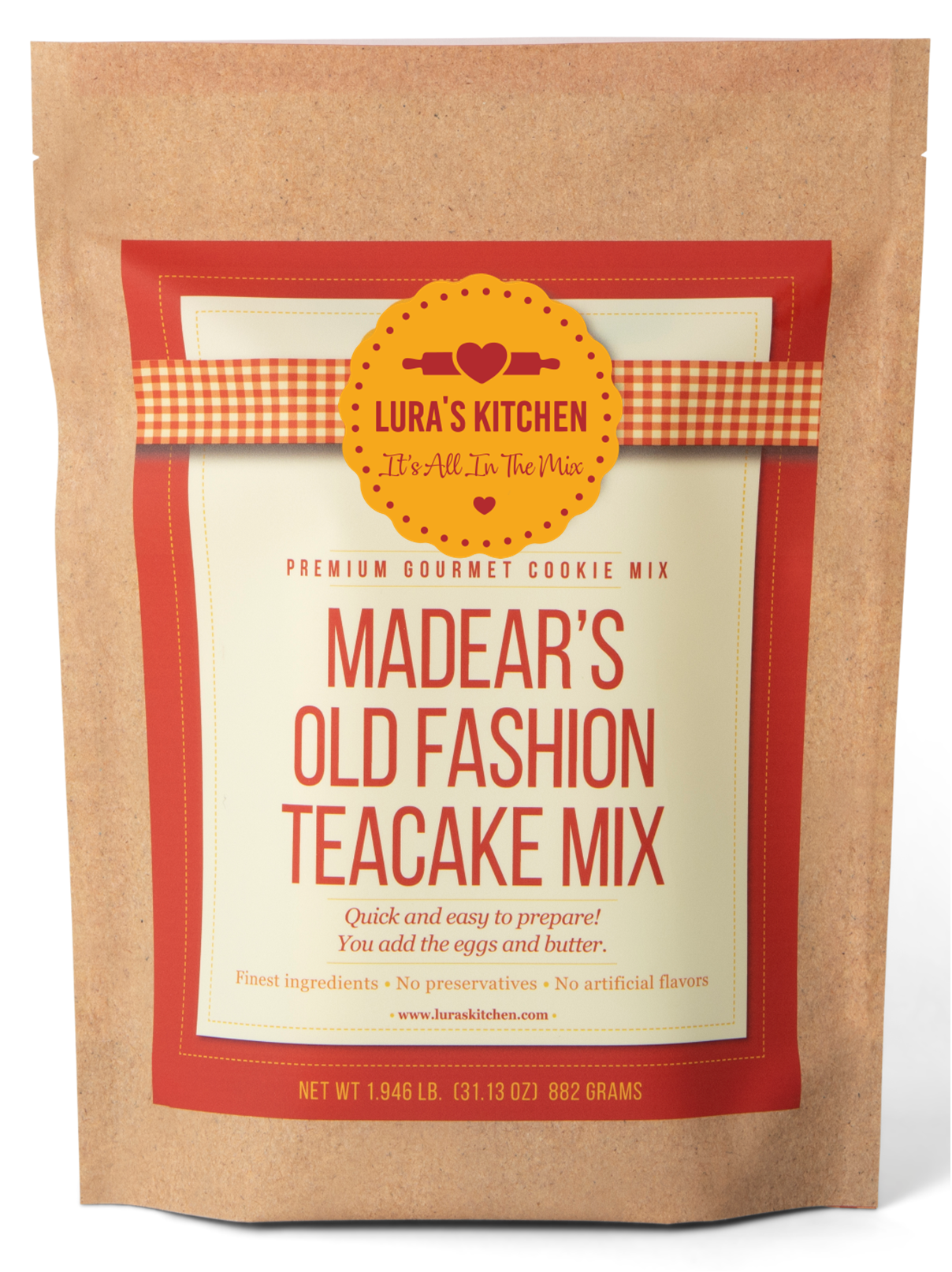
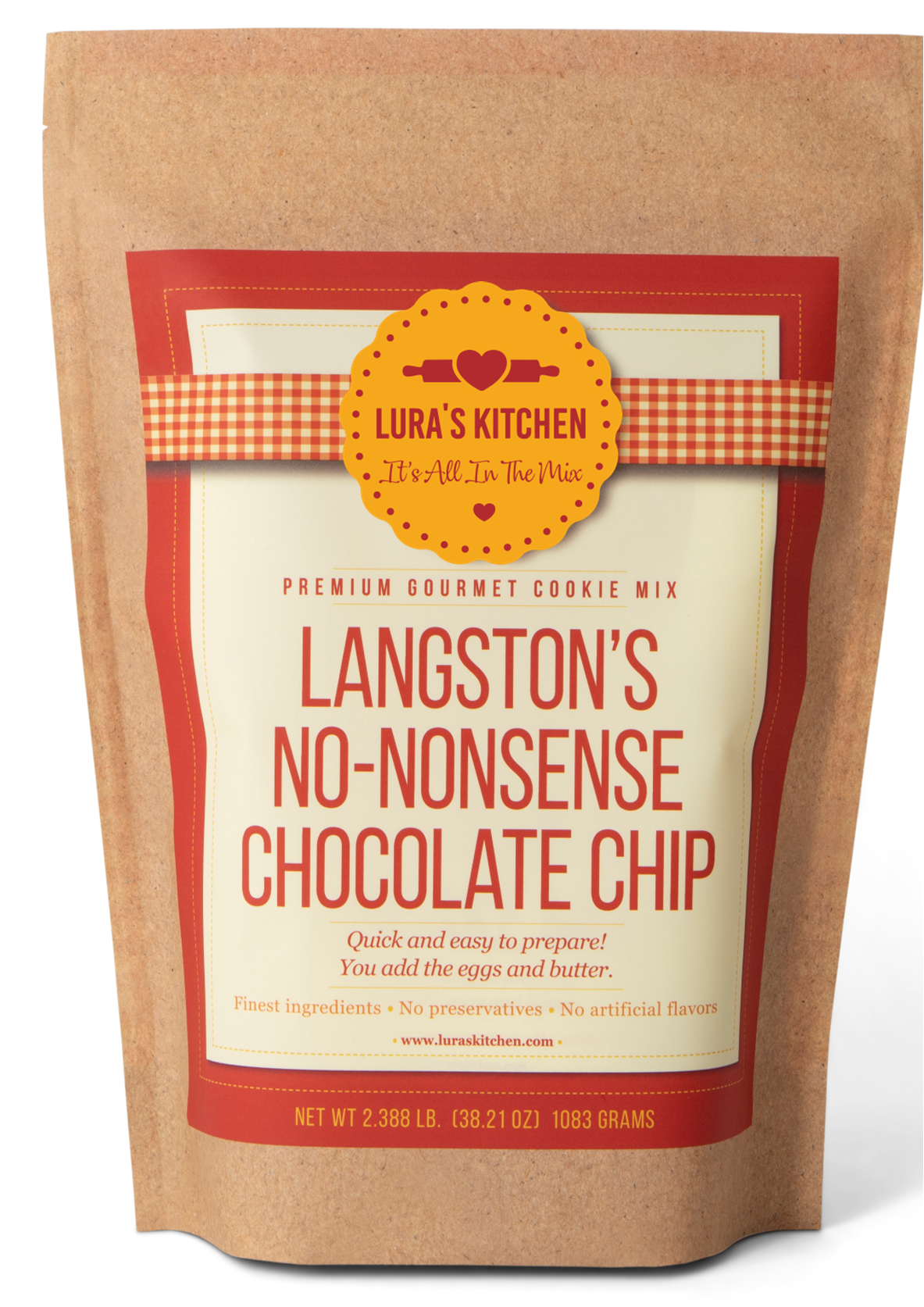
Classic Madear's Old Fashion Teacake Mix gives you a buttery base with vanilla and nutmeg already built in. If you want a proven chocolate chip foundation, Langston's No-Nonsense Chocolate Chip Cookie Mix gives you a clean, classic starting point.
Ways to Split One Batch Into Multiple Flavors
The fastest way to test several bakery flavors is to divide one batch of dough and treat each portion as a controlled experiment. The goal is to change only one variable per bowl so you can tell exactly what each addition did.
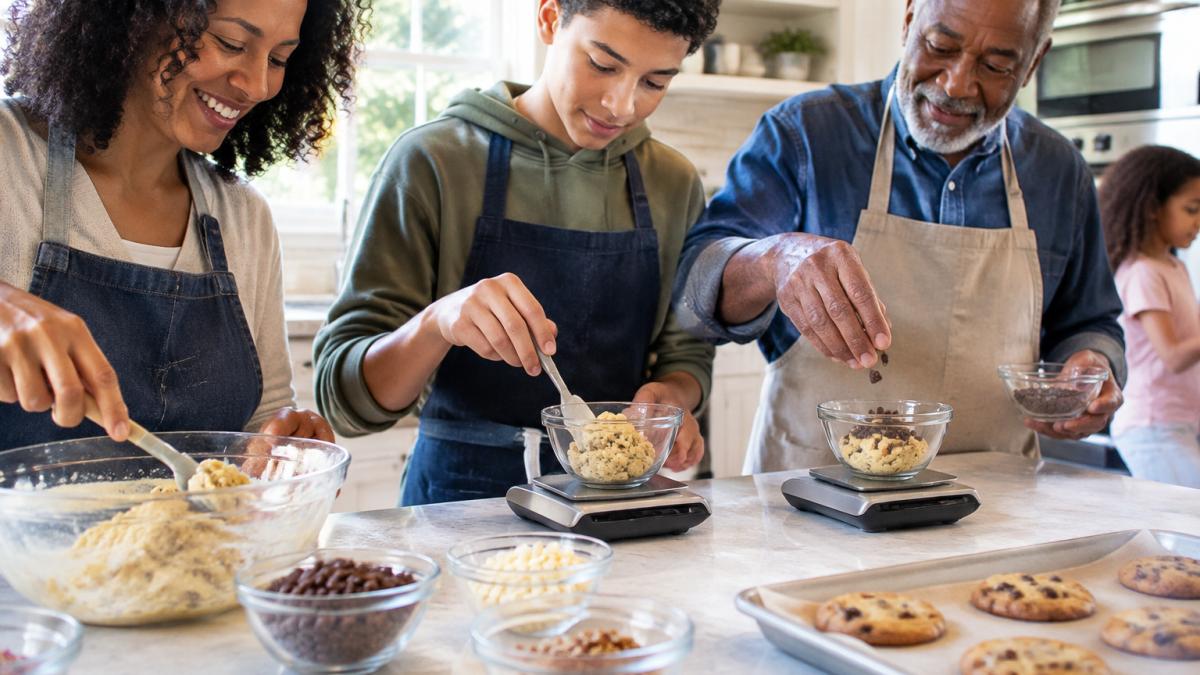
Start by weighing or measuring the base dough before you divide it. A kitchen scale is the most reliable tool here. Split the dough into equal portions by weight, so that a 600-gram batch becomes four 150-gram portions. Equal weights mean equal bake times, which makes side-by-side comparison meaningful.
Then match each flavor to the right type of addition. Dry additions such as cocoa powder, ground spices, or finely ground nuts can usually be folded in at roughly 1 to 2 tablespoons per 150-gram portion without changing the dough's structure. Chopped solid inclusions such as chocolate chunks, toasted pecans, or dried cherries work best at about 1/4 to 1/3 cup per portion. Go past that and the dough loses its binding power and begins to crumble at the edges.
Liquid flavorings need the most restraint. Vanilla, citrus extract, or almond extract should stay at about 1/4 teaspoon per portion, because a larger amount adds moisture that causes spreading. If you want a stronger citrus note, use finely grated zest instead of extra juice. Zest adds aroma without adding water.
- Chocolate: Fold in chopped chocolate or cocoa powder at the amounts above
- Nuts: Toast pecans or walnuts first, then chop them coarsely so they stay crisp after baking
- Spice: Stir ground cinnamon, ginger, or cardamom into a fresh bowl in small pinches, tasting the raw dough before you bake
- Fruit: Use freeze-dried fruit rather than fresh, since it adds intense flavor without releasing water
Label each bowl and write down the exact addition. Bake one cookie from each portion first, cool it for five minutes, and taste it while it is still warm.
The Compare how a pre-balanced mix stacks up against starting from scratch in our guide on Hula Cookies vs Homemade Mixes: Which Is Better?.
Bakery Cookie Flavor Ideas and Combinations
Once you have a base, flavor pairing does the rest. Think in combinations rather than single ingredients. Chocolate and pecan is a bakery classic. Ginger with a touch of molasses reads as warm and deep. Citrus zest brightens buttery dough.
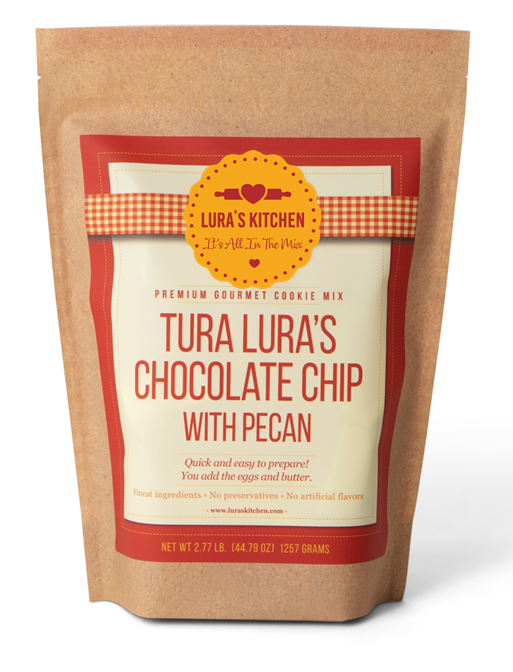
Tura Lura's Chocolate Chip Pecan combines semisweet chocolate morsels with chopped pecans and vanilla. Use it as a reference point when you build your own variations.
- Try brown butter for nutty, caramel notes
- Add a pinch of cardamom for a bakery-style warmth
- Use flaky salt on top for a sweet and salty contrast
Getting Thick, Chewy Bakery-Style Cookies
Texture is what makes a cookie feel like it came from a bakery. Chill the dough for at least 30 minutes before baking. Cold dough holds its shape and bakes into a thicker cookie with a soft center.
Portion larger than you think you need. Bakery cookies are often generous, and bigger dough balls keep a chewy middle. Bake until the edges are set and golden, then pull them out while the centers still look slightly soft. They firm up as they cool.
For a deeper dive into bakery-style texture, see Milk Bar vs King Arthur: Which Is Better for Bakers?, which compares how premium mixes handle thickness and chew.
Troubleshooting Flavor and Texture Problems
Most cookie problems trace back to a small number of causes, and knowing the mechanism behind each one lets you fix problems you have not seen before. Diagnose the problem by looking at the cookie's shape, color, and interior, then work backward to the step that caused it.
Cookies spread too thin. Spreading happens when the fat melts before the flour and egg structure sets. Butter that was too warm, dough that was not chilled, or a higher-than-needed proportion of liquid flavoring all make this worse. Chill the portioned dough for at least 30 minutes, and check that butter was softened to a cool room temperature rather than melted. If the dough is already soft, chill it again before it goes into the oven.
Flavor tastes flat or muted. Baking reduces some aromatic compounds, and a flavor added in a small amount can disappear entirely after baking. Increase salt slightly first, since salt sharpens sweetness and makes other flavors read as stronger. If a spice still disappears, add it to the butter while it is still warm and let it bloom for a minute before mixing it into the dough. Fat carries aroma well, so this gives the spice more presence in the finished cookie.
Dry or chalky fruit. Dried fruit pulls moisture out of the dough and can turn hard in the oven. Soak chopped dried fruit in warm water or a little vanilla for 10 minutes, then pat it dry before folding it in. Freeze-dried fruit avoids this problem because it has already lost its moisture and crisps rather than chewing.
Mix-ins or edges burn before the center sets. Chocolate chunks and small nuts brown quickly because they have less mass around them. Lower the oven temperature by 25 degrees Fahrenheit and bake on the middle rack. Watch out: toasted nuts that were already dark before baking will taste bitter, so toast them lightly the first time.
Cakey texture. Extra flour, overmixing after the flour goes in, or baking too long all produce a cakey crumb. Spoon flour into the measuring cup instead of scooping it, fold in dry ingredients just until no streaks remain, and pull the cookies when the centers still look soft.
Flavor disappears after cooling. Some flavors fade as cookies cool and the aroma escapes. Store cooled cookies in an airtight container at room temperature, and let them rest for a day before judging the final flavor, since many bakery-style cookies taste deeper after a rest.
Keep a simple log with the change you made and the result. Over several batches, this record shows you which adjustments work for your oven and your palate.
Put Your Own Bakery Cookie Flavors to Work With Lura's Kitchen
You now have a method: start with a reliable base, split a batch, pair flavors deliberately, chill, portion generously, and troubleshoot with purpose. Lura's Kitchen premium mixes give you a foundation to build on so your creativity can focus on flavor. Try a mix, make one batch, then experiment with a second flavor from the same dough.
It's all in the mix, and the best bakery flavors you create at home will be the ones you invent yourself. Shop the Lura's Kitchen collection and start baking.
Frequently Asked Questions
How do you make cookies taste like bakery cookies?
Bakery cookies usually have a higher ratio of butter and brown sugar, a longer chill time for the dough, and a slightly underbaked center that stays soft. Start with a base dough that is rich in fat and brown sugar, chill it for at least 30 minutes, and bake until the edges are golden but the centers still look a little soft. Small changes to these three factors do most of the work of matching a bakery texture at home.
Can one cookie dough really make several different flavors?
Yes. Divide one batch of base dough into equal portions and fold different mix-ins, spices or extracts into each portion. Label each portion before baking so you can compare the flavors side by side.
Why do my cookies spread too much and lose their bakery shape?
Spreading usually comes from dough that is too warm, too much melted butter, or too little flour. Chill the dough for 30 minutes before shaping, portion it into evenly sized balls, and avoid placing them on a hot pan. If the dough is still loose, add a tablespoon of flour at a time until it holds its shape when scooped.
