
Table of Contents
- Why Minority-Owned Food Brands Matter in 2026
- How to Identify Minority-Owned Businesses and Verify Certifications
- Best Baking Mixes from Minority-Owned Brands
- Benefits of Supporting Benefit Corporations in Food
- Supply Chain Transparency and Regional Availability
- Recipe Integration: From Mix to Table
- Founder Stories and Impact Metrics
- Conclusion
Last Updated: August 20, 2026
Why Minority-Owned Food Brands Matter in 2026
Supporting minority-owned food brands is a commitment to economic empowerment and culinary innovation. When you choose these brands, you're investing in entrepreneurs who bring authentic flavors, heritage recipes, and fresh perspectives to the American food landscape. These businesses operate with deep roots in their communities, prioritizing purpose alongside profit.
The food industry has historically concentrated wealth in the hands of a few large corporations. Minority-owned food brands challenge that model through direct-to-consumer innovation, artisanal production methods, and supply chain transparency. From gourmet baking mixes to specialty ingredients, these founders are reshaping what it means to eat with intention.
In 2026, consumers increasingly want to know the story behind their food, who made it, and what values the business represents. Minority-owned food brands deliver exactly that, embodying food sovereignty, economic empowerment, and inclusive economy principles that resonate with conscious consumers.
How to Identify Minority-Owned Businesses and Verify Certifications
Identifying authentic minority-owned businesses requires understanding the certification landscape and which credentials matter most.
Benefit Corporation (B Corp) Certification is one of the most rigorous standards. A true benefit corporation legally commits to considering stakeholder impact alongside profit. This certification requires independent verification and annual reporting, carrying real legal weight beyond marketing claims.
NMSDC (National Minority Supplier Development Council) certification vets minority-owned enterprises through rigorous documentation of ownership and control. WOSB (Women-Owned Small Business) certification from the Small Business Administration serves a similar function for women entrepreneurs.
Many minority-owned brands also pursue organic certification or fair trade credentials, adding transparency to their supply chain through regular audits and documentation.
Best Baking Mixes from Minority-Owned Brands
The baking mix category has exploded with innovation from minority-owned creators reclaiming culinary heritage while modernizing the baking experience.
Teacake Traditions: Heritage Recipes with a Modern Mission
Southern teacakes represent a distinct American baking tradition with deep roots in African American culinary heritage. These delicate treats have been passed down through generations at family gatherings and community celebrations.
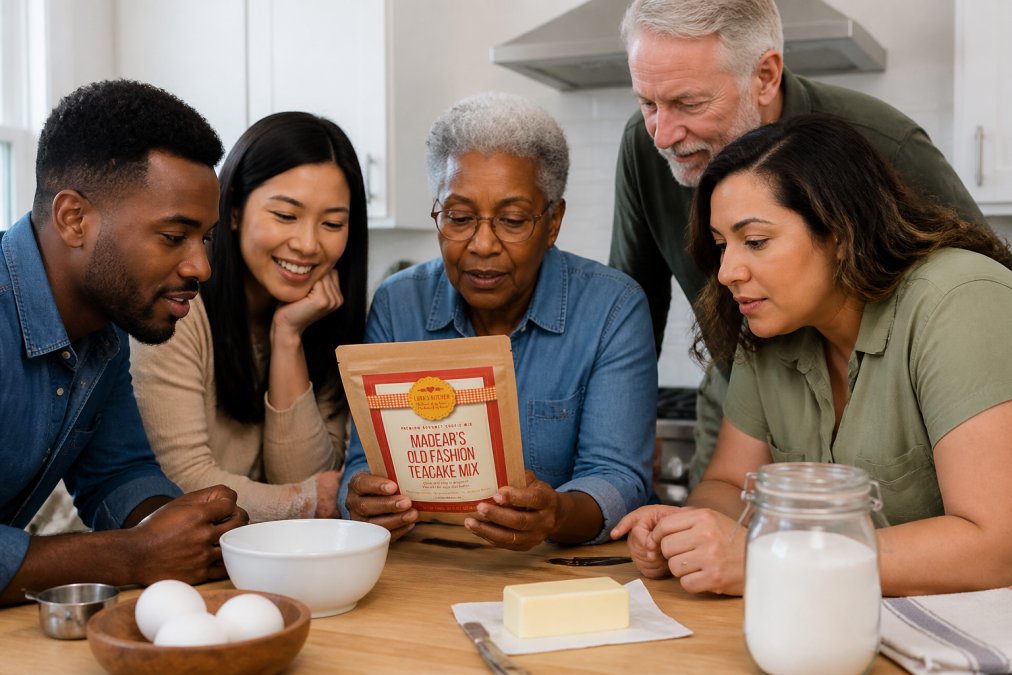
Madear's Old Fashion Teacake Mix from Lura's Kitchen honors this heritage directly. Named after founder Lura Daniels-Ball's beloved mother, this woman-majority, minority-owned benefit corporation brings multi-generational expertise to home baking. The formulation includes premium Tahitian and Madagascar vanilla, fragrant nutmeg, and carefully selected flour, chosen to replicate the soft, buttery texture that defines authentic teacakes.

What sets this apart is the intentionality behind every ingredient choice. The brand celebrates the cultural significance of teacakes rather than treating them as just another cookie option. Baking these teacakes becomes an act of honoring heritage while creating new family memories.
Madear's Good Trouble Sweet Potato Teacake Mix takes the tradition further by incorporating nutrient-rich sweet potato and warm spices. The "Good Trouble" name carries cultural resonance, referencing the legacy of activism and resilience in African American communities. This flavor variation demonstrates how minority-owned brands innovate within tradition.
Madear's Purple Sweet Potato Teacake Mix continues this lineage with purple sweet potato, adding visual distinction and additional antioxidants while maintaining the classic teacake profile.
Chocolate Chip and Specialty Flavors
Minority-owned brands are elevating the classic chocolate chip cookie with premium ingredients and thoughtful formulations.
Langston's No-Nonsense Chocolate Chip delivers bakery-quality results without measuring multiple ingredients. This mix includes generous semi-sweet chocolate morsels and premium vanilla, appealing to busy families seeking quality without complexity.
Tura Lura's Chocolate Chip Pecan combines semi-sweet chocolate with buttery Texas pecans, introducing textural contrast and regional flavor identity. This premium positioning reflects the care minority-owned brands invest in ingredient sourcing and formulation precision.
Jerry's Spiced Oatmeal Raisin represents the heritage-inspired approach to comfort flavors, combining hearty oats, plump raisins, and warm spices.
Dietary-Inclusive Options
Minority-owned food brands increasingly recognize that food justice means accessibility for people with varying dietary needs.
Lisa's Lemon Gluten-Free White Chocolate proves that gluten-free baking can deliver sophisticated flavor profiles, combining zesty lemon with creamy white chocolate elevated by premium vanilla.
Will's Sugah' Alt Spiced Oatmeal Raisin uses monk fruit as a natural sweetener, creating a low-sugar alternative without artificial aftertaste, serving people managing blood sugar levels.
Madear's Gluten-Free Old Fashion Southern Teacake brings the heritage teacake tradition to gluten-free bakers, maintaining the authentic profile while using gluten-free formulation.
Benefits of Supporting Benefit Corporations in Food
A benefit corporation is a fundamentally different business structure with legal obligations to consider stakeholder impact alongside profit. Benefit corporations legally commit to measuring and reporting social and environmental impact through annual reports, creating accountability that standard corporations don't face. artisan coffee brands.
When you support a benefit corporation, you're supporting a business structure designed to resist short-term profit maximization that often harms workers, communities, or environmental sustainability. Their legal obligations prevent cutting costs through labor exploitation or unsustainable sourcing.
Benefit corporations tend to invest deliberately in supply chain relationships, developing direct connections with suppliers that prioritize fair compensation and sustainable practices. This creates ripple effects throughout the food system, with farmers receiving better prices and workers earning fairer wages.
For consumers, products from benefit corporations reflect genuine values alignment rather than superficial "purpose washing." The company cannot claim sustainability while cutting corners because their legal structure requires substantiation.
Supply Chain Transparency and Regional Availability
Supply chain transparency has become essential to ethical consumption. Minority-owned food brands often lead on transparency because their founders have experienced exclusion from supply chains or exploitation by larger distributors.
Many minority-owned brands prioritize direct-to-consumer distribution through their own websites, reducing middlemen margins while maintaining control over product presentation and pricing. This strengthens the direct relationship between maker and customer.
Regional availability varies by brand. Some have secured distribution through specialty retailers and natural food stores, while others operate primarily through online ordering with nationwide shipping. Checking individual brand websites reveals current distribution options.
The benefit corporation model often includes commitment to food security and community access, with some brands donating products to food banks or offering bulk purchasing discounts for organizations serving underserved populations.
Recipe Integration: From Mix to Table
Quality baking mixes bridge the gap between convenience and culinary creativity.
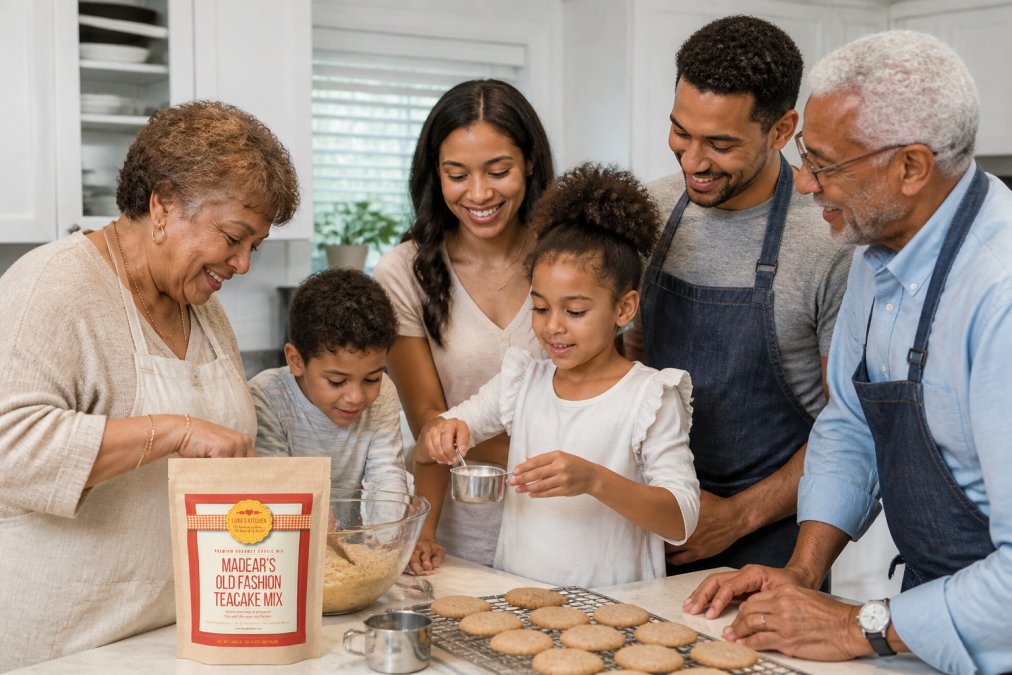
Quality mixes from minority-owned brands typically require just three simple additions: butter, eggs, and sometimes milk. This simplicity means children can participate meaningfully, making baking fun rather than stressful.
Beyond basic baking, these mixes open creative possibilities. Chocolate chip mixes become ice cream sandwich bases. Teacake mixes transform into crumble toppings for fruit desserts. Some bakers add mix-ins, crushed candy, additional spices, or citrus zest to customize flavors. Quality mixes have stable formulations to handle these adaptations without compromising results.
Understanding versatile applications helps justify premium pricing, these are foundational baking staples, not single-use products. Many minority-owned brands provide recipe cards or online resources suggesting creative applications and serving ideas.
Founder Stories and Impact Metrics
The people behind minority-owned food brands often have compelling origin stories revealing why they entered the food industry and what they're trying to accomplish.
Founder stories matter because they explain the intentionality behind product choices. When Lura Daniels-Ball created Madear's teacakes, she was preserving and honoring her mother's legacy while creating economic opportunity and celebrating African American culinary heritage. That mission shapes every ingredient decision and business practice.
Many minority-owned food entrepreneurs entered the industry to address gaps they experienced, products that didn't exist, underserved communities, or culinary traditions at risk of disappearing. These are intentional missions expressed through food.
Impact metrics for benefit corporations measure employee satisfaction, supplier payment terms, community investment, and environmental footprint. When a brand publishes these metrics, you see concrete evidence of their social mission, not just aspirational claims.
When you choose minority-owned food brands, you're making a deliberate choice to support entrepreneurs building businesses around authentic values. Brands like Lura's Kitchen exemplify this approach, offering premium baking mixes that honor culinary heritage while operating as a woman-majority, minority-owned benefit corporation committed to social impact. The quality of products like Madear's teacakes and Tura Lura's chocolate chip pecan cookies reflects the care and expertise that comes from founder-led businesses where every ingredient choice matters. As the saying goes, it's all in the mix, when you support these brands, you're mixing together quality, heritage, economic empowerment, and community investment into every purchase. Shop Lura's Kitchen and discover how convenient, delicious baking can also be an act of supporting meaningful entrepreneurship.
Frequently Asked Questions
How can I verify that a food brand is actually minority-owned?
Look for official certifications from organizations like the National Minority Supplier Development Council (NMSDC) or state-level minority business certification programs. Many minority-owned food brands also display their B Corp certification, which requires third-party verification of social and environmental performance. Check the company's website for founder background, ownership structure, and mission statements. Authentic minority-owned businesses often share their story openly and provide clear information about their ownership and leadership.
What makes benefit corporations different from regular food companies?
Benefit corporations (B Corps) are legally required to consider the impact of their decisions on all stakeholders, employees, customers, suppliers, and the community, not just shareholders. In the food industry, this means minority-owned benefit corporations prioritize food justice, supply chain equity, and community economic empowerment alongside profitability. They undergo rigorous third-party certification and must report on their social and environmental impact annually, making their commitment verifiable and transparent.
Why should I choose minority-owned food brands over mainstream alternatives?
Supporting minority-owned food brands directly funds culinary entrepreneurship, builds wealth in underrepresented communities, and promotes food sovereignty. These brands often emphasize artisanal quality, cultural heritage, and ethical sourcing. When you choose a minority-owned brand, you're investing in supply chain diversity, supporting founders who face systemic barriers to capital, and gaining access to authentic, innovative flavors rooted in real culinary traditions. It's a direct way to drive inclusive economic growth.
Are minority-owned baking mixes as convenient as mainstream brands?
Yes. Minority-owned baking mixes like those from Lura's Kitchen offer the same convenience as mainstream options, just add butter and eggs for premium results. Many are designed specifically for families and busy households, with mess-free preparation and consistent, bakery-quality outcomes. The difference is that you're supporting a woman-majority, minority-owned benefit corporation while enjoying superior ingredients and authentic flavor profiles rooted in culinary heritage.
Where can I buy minority-owned food brands?
Many minority-owned food brands operate direct-to-consumer through their own websites, offering nationwide shipping and subscription options. You can also find them through specialty food retailers, farmers markets, and online platforms dedicated to ethical consumption. Lura's Kitchen products, for example, are available directly online with convenient bundle options. Check brand websites for current availability, regional hubs, and local retail partnerships in your area.
This article was written using GrandRanker