

Table of Contents
- What Makes Sensory Baking Different From Regular Baking With Toddlers
- Mess-Free Baking Tips for Parents Who Want Less Cleanup
- Kitchen Safety and Essential Tools for Small Hands
- Sensory Regulation Strategies for Neurodivergent Toddlers
- Seasonal Sensory Baking Themes to Keep Toddlers Engaged All Year
- Conclusion: It's All in the Mix
- Frequently Asked Questions
Last Updated: October 2, 2026
What Makes Sensory Baking Different From Regular Baking With Toddlers
Sensory baking is letting toddlers touch, pour, scoop, and stir real ingredients so the activity builds fine motor skills and sensory processing while it produces something to eat.
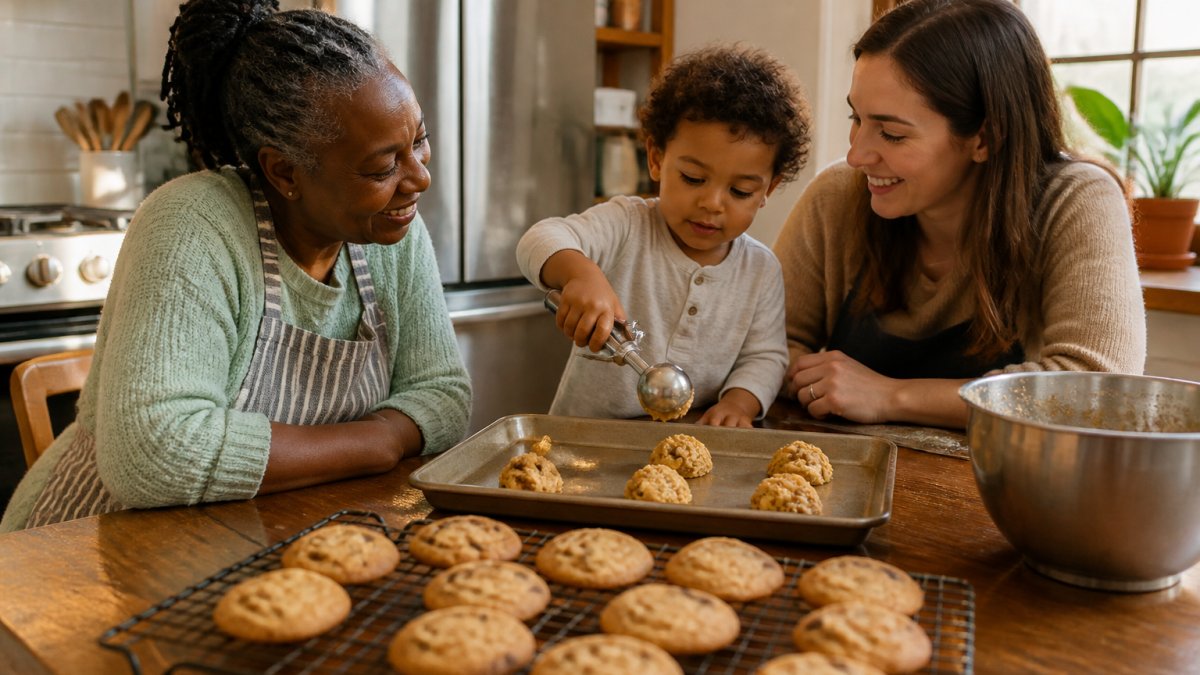
The difference shows up in the setup: a batch of cookies becomes a lesson in texture, weight, and cause and effect.
(/products/langstons-no-nonsense-chocolate-chip)** ($24.99) makes 3 to 4 dozen medium cookies, so a toddler can scoop for a long time before the dough runs out. **Tura Lura's Chocolate Chip Pecan** ($26.99) adds buttery pecans for a crunchier texture. **Madear's Old Fashion Teacake Mix** ($22.99) is a 1.9-pound family-size bag scented with vanilla and nutmeg, and the soft dough is especially easy for small hands to tear and roll.Allergy-Friendly Sensory Baking Swaps
Allergy-friendly sensory baking is one of the areas most guides skip, and it matters. If your household avoids nuts, Langston's No-Nonsense Chocolate Chip is the fit, since it is made with no added nuts.
Mess-Free Baking Tips for Parents Who Want Less Cleanup
Most cleanup advice for toddler baking is a list of chores dressed up as tips.
Pre-portion before the child sits down. Every ingredient your toddler waits for is lost attention and a chance for a grab.
Shrink the distance. Put the bowl, scoop, and baking sheet within arm's reach of a seated toddler.
Use one bowl and one scoop. A full set of measuring cups and spoons is a set of things to knock over.
- Rimmed sheet pan under the mixing bowl
- Dry ingredients pre-portioned into cups
- Washable mat under the work area
- Damp cloth within arm's reach
- One bowl, one scoop, one pan
- Scoop directly onto the baking sheet
- Hands wiped between tasks
Kitchen Safety and Essential Tools for Small Hands
Kitchen safety with toddlers is about removing hazards before the activity starts, not hovering during it. Set the rules once, then let the child work.
Keep these rules firm:
- Oven and stovetop are adult-only, no exceptions
- No tasting raw dough or batter
- Wash hands before and after
- Sit or stand at a stable surface, never on a chair
- Sharp tools stay out of reach entirely
For tools, less is more. A 2-ounce scoop is the right size for toddler hands and produces even cookies. Lura's Kitchen includes a stainless steel Limited Edition Cookie Scoop ($14.99, free with three or more mixes) sized exactly for this. Add a rubber-based mixing bowl, a sturdy spoon, and a rimmed baking sheet, and you have everything you need.

Sensory Regulation Strategies for Neurodivergent Toddlers
Almost every article about baking with toddlers assumes the child will enjoy it. For families raising a child with sensory processing differences, that assumption is the first thing that breaks, and the reason so much standard advice fails at the counter.
The reframe that matters: baking is not a craft project with a cookie at the end. It is a sensory input session that happens to produce food.
Sensory Seekers vs. Sensory Avoiders
Most occupational therapists describe two broad patterns, and they call for opposite setups.
Sensory seekers want more input, not less. They press too hard, dump too fast, and lean into the flour.
Classic Madear’s Old Fashion Teacake Mix →
Sensory avoiders are overwhelmed by wet, sticky, or unpredictable textures. Start them in dry ingredients only, scooping flour, pouring sugar, sprinkling, which are predictable and easy to escape.
Build a Predictable Sequence
The single most useful tool for a neurodivergent toddler in the kitchen is a visual step-by-step card, one picture per action, no words. It removes the need for repeated verbal instructions (which many children filter out under stress), gives the child control over the pace, and makes the sequence itself a source of comfort.
Pair the card with a warning before each transition: "Two more scoops, then we put the scoop down." Transitions, not tasks, are where most sessions fall apart.
Set Up an Exit That Is Not a Failure
Have a quiet corner ready, a chair, a book, a drink, where the child can go without leaving the room. A child who walks away and comes back in three minutes has regulated and returned; a child forced to finish learns the kitchen is a place where their body is wrong.
What Most Guides Get Wrong
They measure success by the cookie. For a neurodivergent toddler, the cookie is a byproduct. If your child scooped for ten minutes, pressed dough once, and walked away calm, the session worked, and it will work again next week, which is the only outcome that compounds.
Seasonal Sensory Baking Themes to Keep Toddlers Engaged All Year
Seasonal themes keep the same activity feeling new, which matters because toddlers bore quickly. Rotate the theme, keep the structure.
- Fall: warm spice flavors, leaf-shaped cookie cutters, apple and cinnamon scents
- Winter: vanilla and nutmeg, snowy white dough, gift tins for neighbors
- Spring: pastel sprinkles, flower cutters, lighter fruit-forward flavors
- Summer: teacakes for cookouts, red and blue sprinkles, cookies for sharing
The structure stays the same every time: pre-portion, scoop, bake, share. Only the decoration and occasion change, and that consistency lets a toddler build real skill instead of relearning the process each season.
Conclusion: It's All in the Mix
The hardest part of baking with a toddler is not the recipe. It is believing the activity is worth the cleanup. It is. Every scoop builds coordination, every stir builds patience, and every warm cookie handed to a grandparent builds something you cannot measure.
At Lura's Kitchen, our mixes were made for exactly these moments. Just add eggs and butter, and the rest is your toddler's job.
Frequently Asked Questions
What are the benefits of sensory baking for toddlers?
Sensory baking builds fine motor skills through pouring, scooping, and stirring. It supports cognitive development as toddlers follow simple sequences and see cause and effect. Tactile exploration of flour, dough, and batter provides sensory input that helps with motor planning and grasping. The experience also builds language skills as you name ingredients and textures together. For neurodivergent toddlers, the predictable steps of baking can offer calming sensory regulation.
How do you keep baking with toddlers mess-free?
Start with a mix that requires only butter and eggs, which cuts down on measuring multiple ingredients. Place a silicone mat or large tray under the work area to catch spills. Use a cookie scoop instead of spoons to reduce hand mess. Keep a damp cloth nearby for quick wipe-ups. The goal is contained exploration, not zero mess. A little flour on the counter means learning is happening.
At what age can toddlers start helping in the kitchen?
Most toddlers can participate in simple baking tasks around 18 months to 2 years old. At this age, they can pour pre-measured ingredients, stir with help, and press cookie dough. By age 3, many toddlers can scoop dough onto a baking sheet and help count cookies. Always match the task to your child's developmental milestones and supervise closely near any heat source. Start with no-bake steps and work up to oven activities.
How can baking help with toddler fine motor development?
Baking naturally targets fine motor skills. Grasping a spoon or scoop strengthens hand muscles. Pouring from a small cup improves eye-hand coordination. Kneading and rolling dough builds hand strength and tactile awareness. Sifting flour or sprinkling toppings refines grasping and release. These toddler fine motor baking activities mirror the skills occupational therapists recommend, but they happen in a real learning environment with a tasty reward at the end.
Ready to turn your kitchen into a learning space? Shop Lura's Kitchen mixes and get the whole family baking together this weekend.