

Last Updated: November 5, 2026
Quick Summary
To ship gourmet cookies safely, cool them completely, wrap each cookie individually in parchment or food-safe wrap, and cushion every layer so nothing shifts in transit. Fill all void space, seal every seam with packing tape, and choose the fastest shipping speed your budget allows.
- Cool cookies on a wire rack for at least one hour before packing so steam does not soften crisp edges.
- Place wrapped cookies in a single layer, never stacked, with bubble wrap or packing peanuts between rows.
- Give the closed box a gentle shake and add padding until you hear no movement.
- Ship early in the week so boxes do not sit in a warehouse over the weekend.
- In hot weather, wrap the cold pack in paper so it never touches the cookies directly.
Table of Contents
- Why Gourmet Cookies Need a Different Packing Plan
- How to Package Cookies for Shipping So They Arrive Intact
- How to Ship Cookies in the Mail and Keep Them Fresh
- How to Ship Cookies in Hot Weather Without Melted Chocolate
- How to Ship Cookies Long Distance on a Budget
- Troubleshooting Damaged Shipments and Fragile Labels
- Packing Lura's Kitchen Cookies for the Road
- Frequently Asked Questions
Why Gourmet Cookies Need a Different Packing Plan
Gourmet cookies can be more fragile than the boxed cookies you find at the store, since they often have softer textures and delicate toppings that crack under pressure. Learning how to ship gourmet cookies safely starts with one idea: treat each cookie like a small, breakable gift, and ship gourmet cookies as if each one were a small, breakable gift.
At Lura's Kitchen, we know how much care goes into a single cookie. That care has to travel with the box. A sturdy shipping box, proper cushioning, and a moisture barrier make the difference between a perfect arrival and a pile of crumbs.
Here is what most guides get wrong: they focus on the box and forget the cookie. The cookie itself needs to cool completely and be wrapped before it ever touches packaging supplies. Get that order right and the rest is simple.
How to Package Cookies for Shipping So They Arrive Intact
The best way to package cookies for shipping is to cool, wrap, and cushion each cookie, then fill every empty space so nothing moves in transit. Follow these steps in order and your cookies will arrive intact.
Cooling, Wrapping, and Cushioning Each Cookie
Cool cookies completely on a wire rack before packing. Warm cookies trap steam, and steam turns a crisp edge soft and soggy.
- Cool for at least one hour at room temperature
- Wrap each cookie individually in parchment paper or food-safe wrap
- Place wrapped cookies in a single layer, never stacked
- Add a layer of bubble wrap or packing peanuts between rows
Individual wrapping does two jobs. It protects against breakage and it creates a small moisture barrier, which keeps cookies fresh longer. For softer cookies like our teacakes, wrap them snugly. For crisp cookies, leave a little breathing room.
Filling Void Space and Sealing the Box
Empty space is the enemy. A cookie that can slide around will hit a wall and crack. Fill every gap with void fill so the contents feel snug when you close the lid.
Use packing peanuts, crumpled paper, or air pillows to fill the corners and top. Give the closed box a gentle shake. If you hear movement, add more padding. Then seal all seams with packing tape and add a fragile label on the top and one side.
Watch out: skip the tape gun on the seams and a heavy box can pop open mid-transit, spilling cookies across a sorting facility.
How to Ship Cookies in the Mail and Keep Them Fresh
The key to shipping cookies in the mail and keeping them fresh is speed plus a good moisture barrier. Choose the fastest shipping speed your budget allows, and pack cookies so air and humidity stay out.
- Pick express or two-day shipping for softer cookies
- Use airtight containers or heat-sealed bags for extra protection
- Ship early in the week so boxes do not sit in a warehouse over the weekend
- Add a tracking number and share it with the recipient
Shelf life matters here, so match your transit time to the freshness window of your cookies. If you want a head start, our ready-to-gift teacake bag comes individually wrapped, which makes it an easy fit for a care package.

How to Ship Cookies in Hot Weather Without Melted Chocolate
Shipping cookies in hot weather comes down to heat control. Chocolate softens above room temperature, so a shorter delivery window helps.
- Pack cookies in an insulated liner or a small cooler box
- Add a cold pack wrapped in paper so it never touches the cookies directly
- Choose overnight or express shipping during summer months
- Drop off packages in the morning, before the day heats up
A common mistake is placing a cold pack right against the cookies. That creates condensation, and condensation ruins texture. Wrap the pack in a paper towel or a thin cloth first.
For gift orders, our limited edition cookie box is a rigid keepsake box that holds 24 medium cookies and makes a thoughtful presentation.

How to Ship Cookies Long Distance on a Budget
Long-distance shipping does not have to mean premium prices. The trick is spending money where it protects the cookies and saving everywhere else.
Start by separating your budget into two buckets: protection and speed. Protection is cheap and scales down with bulk buying. Speed is expensive and scales up with distance. Put your money into speed only after protection is solved, because a fast shipment of badly packed cookies still arrives as crumbs.
Cost Versus Protection, Material by Material
| Material | Relative Cost | Protection Level | Best Use |
|---|---|---|---|
| Crumpled newspaper | Lowest | Low to moderate | Void fill for firm cookies on short routes |
| Packing peanuts | Low | Moderate | Filling corners and top gaps |
| Bubble wrap | Low to moderate | Moderate to high | Wrapping individual cookies and row dividers |
| Air pillows | Moderate | Moderate | Lightweight void fill for fragile boxes |
| Foam-in-place | Highest | Highest | High-value or heat-sensitive orders |
| Rigid keepsake tin | High | High | Gift orders where the box is part of the product |
| Double-wall corrugated box | Moderate | High | Any shipment over two days or over a pound |
Where to Save and Where to Spend
- Save on the outer box: reuse clean, sturdy corrugated boxes from home deliveries, but never reuse one that is crushed, damp, or has torn corners.
- Save on void fill: crumpled kraft paper and newspaper work for firm cookies; reserve air pillows for softer items.
- Spend on individual wrapping: parchment or food-safe wrap per cookie is the single cheapest way to cut breakage.
- Spend on transit time only for soft, frosted, or heat-sensitive cookies; firm cookies tolerate ground service well.
- Skip insurance on low-value boxes and put that money into a faster service instead.
Watch out: reusing a box that has already been through the mail system weakens its structure, and a box that fails at the seam takes the cookies with it.
Matching Service Level to Cookie Type
If you want a deeper walkthrough on packing technique, read our guide on how to ship Southern cookies safely without crumbling. It covers the finer details of cushioning and box choice.
Troubleshooting Damaged Shipments and Fragile Labels
Damaged shipments can have several causes, including too much empty space, too little cushioning, or a weak box. Here is a diagnostic process you can run after a damaged delivery.
Diagnose Before You Repack
Open the damaged box and inspect it in this order:
- Check the outer box first. Crushed corners or a bowed lid mean the box itself failed, not the padding. Move up to double-wall corrugated.
- Check for movement marks. Scuffing on the inside walls, or cookies clustered at one end, means the contents shifted. That is a void-fill problem.
- Check the wrapping. Cookies that cracked inside intact wrapping point to insufficient cushioning between rows, not to the wrap itself.
- Check for moisture. Soft, limp cookies or a damp liner mean the moisture barrier failed or a cold pack touched the food.
- Check the label. A fragile label that peeled or smudged means it was applied to a dusty or taped surface.
Symptom to Fix
- Cracked cookies: add another layer of padding between rows and fill all void space so the contents cannot move.
- Crushed corners: switch to a thicker corrugated cardboard box and add corner protectors.
- Stale or soft cookies: improve the moisture barrier with airtight wrapping and heat-sealed bags.
- Melted or smeared coating: shorten transit time and add an insulated liner with a wrapped cold pack.
- Label ignored or missing: place fragile labels on the top and two sides, and apply them to clean tape-free surfaces.
- Box popped open: tape all seams, including the bottom, with pressure-sensitive packing tape rather than masking tape.
Handling a Claim With the Carrier
When a shipment arrives damaged, keep the box, all packing materials, and the cookies exactly as they arrived. Most carriers require the original packaging for an inspection, and discarding it can void a claim. Photograph the outside of the box, the inside packing, and the damaged contents before you touch anything. File the claim promptly, since carriers set filing windows that can be as short as a few days for some service levels. Ship with tracking and, for high-value orders, declared value so the claim reflects what was actually lost.
Fragile Labels That Actually Work
A fragile label is a request, not a guarantee. Place it on the top and at least two sides so it is visible regardless of how the box is oriented in a sorting facility. Apply it to clean corrugated or tape, never over a dusty seam, and avoid placing it where it will be covered by a shipping label. Pair the label with real internal protection; the label reinforces good packing but cannot substitute for it.
For delicate items like teacakes, a keepsake box adds structural integrity. Our baked teacake gift box is designed to hold and protect baked goods through handling.

Packing Lura's Kitchen Cookies for the Road
Packing our cookies for the road follows the same general approach described above.
- Wrap each cookie in parchment paper
- Layer them in a rigid box with bubble wrap between rows
- Fill the top with void fill and seal all seams
- Add a fragile label and ship express in warm months
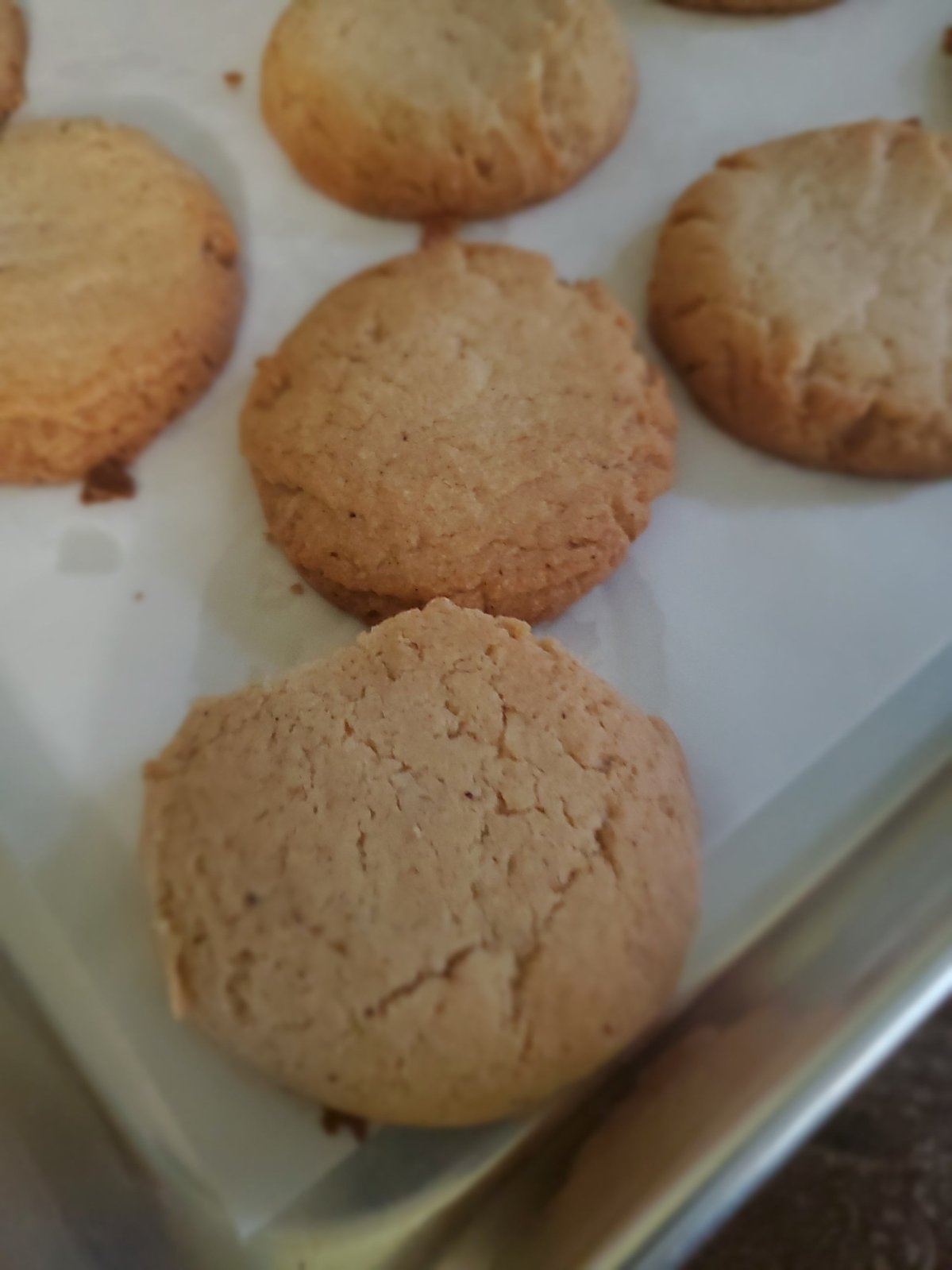
If you want to see our full selection, browse our cookie mixes and teacakes and picture them arriving at a friend's door, ready to share.
Frequently Asked Questions
How long do shipped cookies stay fresh?
Plan your transit time around the freshness of your cookies, and ship early in the week so the package does not sit in a warehouse over the weekend.
How do you ship cookies in hot weather?
Ship cookies in hot weather with a shorter delivery window where possible, and avoid leaving the package in direct heat.
Is it safe to send cookies in the mail?
Cookies can be shipped by mail when they are cushioned well, wrapped, and packed so nothing shifts. Label the package fragile and keep a tracking number handy.
What is the best way to ship cookies long distance?
For long distances, wrap each cookie, layer them with cushioning, fill empty space completely, and add a fragile label. Track the package and confirm the recipient will be home.
Shipping cookies safely is a skill, and it takes a little practice to get the padding and timing right. At Lura's Kitchen, our easy-to-bake mixes and fresh-baked treats are made for sharing, whether across the table or across the country. Our mixes are simple and mess-free, perfect for family baking, and every order carries the warmth of home-style recipes. It's all in the mix. Get started with Lura's Kitchen and send a box of joy that arrives just as good as it left.
