

Table of Contents
- Why Your Cookies From Mixes Turn Out Dry
- How to Measure Flour Correctly to Retain Moisture
- Step-by-Step Guide to Avoid Dry Cookies From Mixes
- Ingredient Substitutions for Moisture and Texture
- How to Store Pre-Baked Cookies for Maximum Freshness
- High-Altitude Baking Adjustments for Dry Cookies
- Troubleshooting Crumbly Dough and Fixing Mistakes
- Conclusion
Last Updated: August 25, 2026
Why Your Cookies From Mixes Turn Out Dry
Dry cookies are frustrating. You follow the instructions on the box, pull them from the oven, and bite into something that crumbles instead of satisfies. The problem stems from two main culprits: over-mixing and moisture loss during baking. When you stir the dough too much, you develop gluten, which tightens the crumb structure. If your oven runs hot or baking time is off, the cookies dry out faster than they should.
Common Causes: Over-Mixing and Moisture Loss
Over-mixing is the silent killer of cookie texture. Many home bakers stir until everything is fully combined and smooth, but with cookies, that's overkill. The moment your dry ingredients are incorporated into the wet ingredients, you should stop. Every additional stir tightens the dough and creates a tougher, drier final product.
Moisture loss happens in stages. If your mix sits open in a humid kitchen, it absorbs moisture from the air, changing the liquid-to-dry ratio. During baking, if your oven temperature is off or cookies spend too long inside, they lose water content that they can never get back. Room temperature ingredients also matter, cold butter and eggs don't blend smoothly, leaving dry pockets in the dough that bake into dry spots in the finished cookie.
How Oven Temperature Affects Final Texture
Your oven temperature is one of the most overlooked variables in baking. If your oven runs 25 degrees hotter than the dial says, your cookies will bake faster and lose moisture quickly (usda.gov). Invest in an oven thermometer and place it on the rack where your cookies will bake. If there's a gap between the dial and the thermometer reading, adjust accordingly.
Baking time matters just as much as temperature. Most cookie mixes recommend a range like 10-12 minutes. Start checking at the lower end. Cookies continue to cook on the cooling rack after you pull them out, so slightly underbaked is better than slightly overbaked.
How to Measure Flour Correctly to Retain Moisture
Flour is the foundation of your dough, and measuring it wrong throws off the entire liquid-to-dry ratio. Too much flour creates dry, crumbly dough. Too little causes cookies to spread too thin and lose structure.
Weighing Versus Scooping: Which Method Wins
The gold standard for measuring flour is weight, not volume. A cup of flour scooped directly from the bag can vary by 20-30 grams depending on how densely it's packed (peer-reviewed research). If your mix includes a weight measurement, use that.
If you don't have a scale, use the scoop-and-level method. Fluff the flour in the bag with a fork, gently spoon it into a measuring cup without packing it down, and level the top with a knife. Many home bakers pack flour into the measuring cup or scoop too aggressively, adding more flour than the recipe calls for, which dries out the dough.
Why Packing Flour Into the Mix Creates Dryness
When you pack flour into your measuring cup, you compress air out of it. That compressed flour weighs more, so you end up using too much flour relative to your wet ingredients. The dough becomes stiff and dry. Flour has air pockets that help it absorb and hold moisture evenly. When you pack it, you collapse those pockets, and the flour becomes denser and less able to distribute moisture throughout the dough.
Step-by-Step Guide to Avoid Dry Cookies From Mixes
Follow these five steps to transform dry, crumbly dough into soft, chewy cookies.
Step 1: Gather Room Temperature Ingredients
Take your eggs and butter out of the fridge 30 minutes before you mix. Cold ingredients don't blend smoothly, creating pockets of unmixed flour and fat that become hard spots in your finished cookies. Room temperature eggs and butter emulsify together into a smooth, creamy base that holds moisture evenly throughout the dough. If you're short on time, cut the butter into small cubes and place eggs in warm water for 5 minutes.
Step 2: Adjust Fat Ratio With Egg Yolks and Oil
Adding an extra egg yolk increases moisture and creates a richer, softer crumb. The yolk contains lecithin, which acts as a natural emulsifier and helps bind moisture into the dough (peer-reviewed research). For even more softness, replace half of the butter with vegetable oil. Oil stays liquid at room temperature and distributes moisture more evenly than solid butter. For a standard batch, use 3 tablespoons butter and 3 tablespoons oil instead of 6 tablespoons butter.
Step 3: Mix With Precision to Prevent Over-Mixing
Combine your dry ingredients in one bowl and your wet ingredients in another. When you bring them together, stir just until no streaks of dry mix remain. Stop immediately. Over-mixing develops gluten, which tightens the dough and makes cookies tough and dry. You want a tender crumb, not a chewy one.
Step 4: Monitor Baking Time and Oven Calibration
Use an oven thermometer to verify your temperature before baking. Place the thermometer on the rack where cookies will bake and wait 15 minutes. If it's off by more than 5 degrees, adjust your dial and check again.
Bake for the minimum time listed on the mix. If it says 10-12 minutes, set a timer for 10 minutes. Pull one cookie out and check it, the edges should be set but the center should still look slightly underbaked. It will continue to cook on the cooling rack.
Step 5: Cool Properly for Chewiness and Softness
Leave cookies on the baking sheet for 2-3 minutes after removing them from the oven. They're still cooking from residual heat. Then transfer them to a cooling rack so air can circulate underneath and stop the cooking process. A cooling rack prevents the bottom from continuing to bake. Once they're completely cool (about 15 minutes), they'll have set into their final texture: soft in the center with slightly crisp edges.
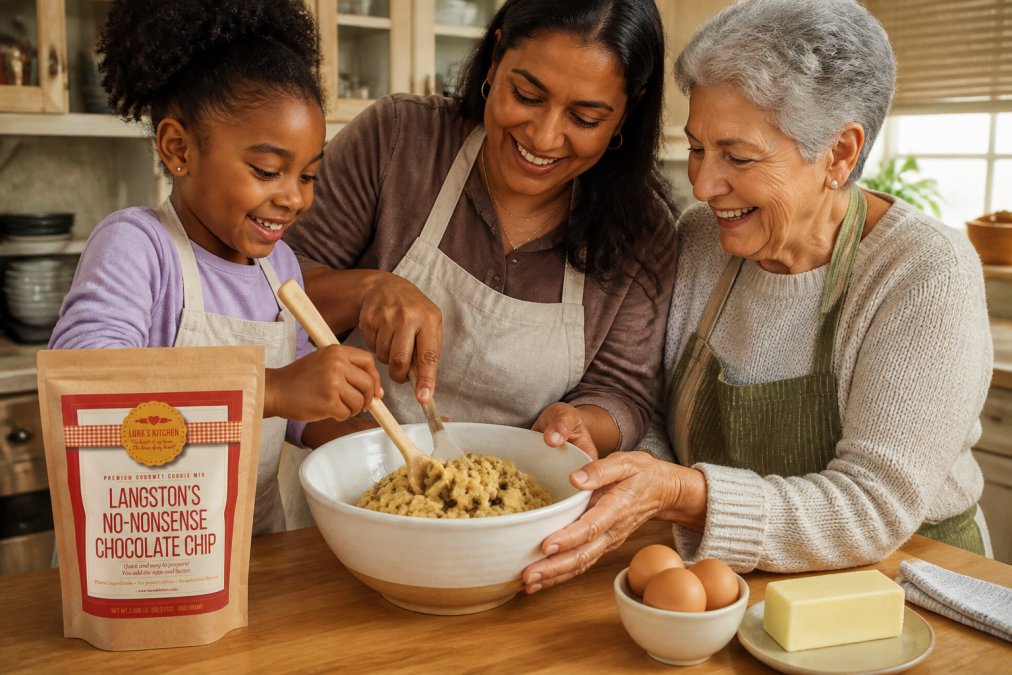
Ingredient Substitutions for Moisture and Texture
Sometimes the fix is as simple as swapping one ingredient for another.
Replacing Water With Milk or Buttermilk
If the mix calls for water, replace it with milk. Water just hydrates the dry ingredients, but milk contains milk solids and fat, which add richness and help retain moisture in the baked cookie. Buttermilk is even better because the slight acidity reacts with baking soda to create lift, making the cookie lighter and less dense. Use the same volume of milk or buttermilk as you would water.
Using Vegetable Oil Instead of Butter for Hydration
Butter is about 80% fat and 15% water. Vegetable oil is 100% fat. When you use oil, there's no water content to evaporate during baking, so moisture stays locked in the cookie longer. Replace the butter with oil using a 3:4 ratio, for every 3 tablespoons of butter, use 2.25 tablespoons of oil.
Adding Brown Sugar for Moisture Retention
Brown sugar contains molasses, which is hygroscopic and naturally attracts and holds moisture. Replace up to half of the granulated sugar with brown sugar. This adds moisture to the dough and creates a softer, chewier final texture.
How to Store Pre-Baked Cookies for Maximum Freshness
Even perfectly baked cookies will dry out if you store them wrong.
Airtight Containers and Cooling Rack Placement
Let cookies cool completely on a cooling rack before storing them. If you put warm cookies in a container, steam gets trapped and creates condensation. Once they're completely cool, transfer them to an airtight container with a tight-sealing lid. Avoid paper bags or cardboard boxes, which allow air to circulate and dry out the cookies. If you're stacking cookies, place parchment paper between layers.
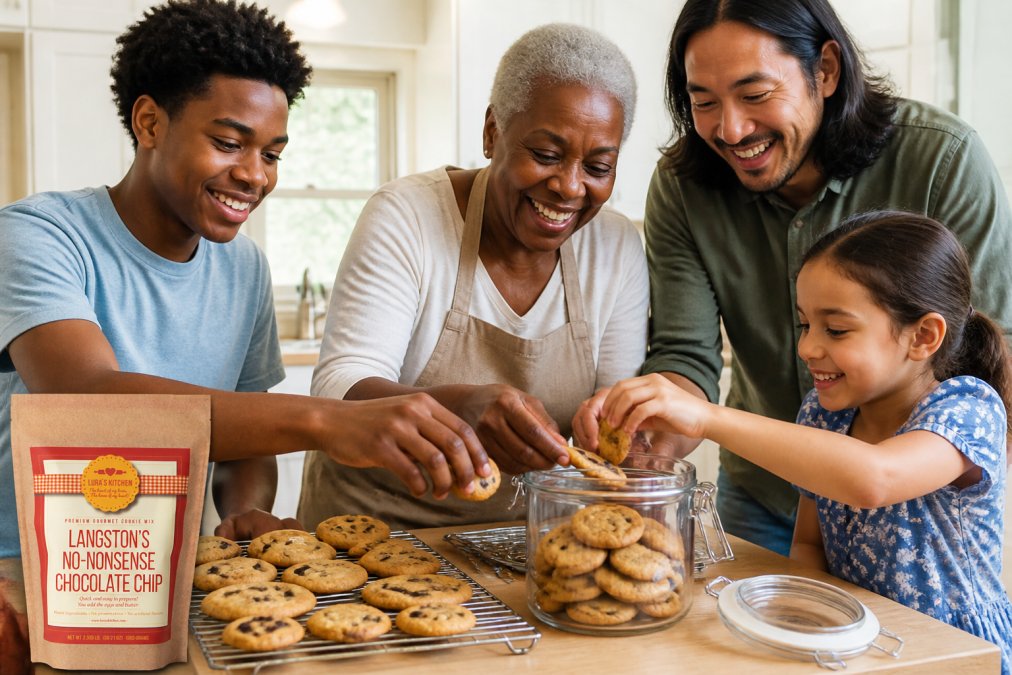
Shelf Life and Preventing Staling Over Time
Properly stored cookies stay fresh for about 5-7 days in an airtight container at room temperature. To slow staling, store cookies in the coldest part of your kitchen. You can also add a slice of bread or a few apple slices to the container, the cookies will absorb moisture from these items, keeping them soft. Replace the bread or apple every day or two.
If cookies do start to stale, place one on a microwave-safe plate and microwave it for 5-10 seconds. The moisture will redistribute, making it soft again temporarily.
High-Altitude Baking Adjustments for Dry Cookies
At higher elevations, water boils at a lower temperature, so moisture evaporates faster during baking. If you live above 3,000 feet, increase your liquid by 1-2 tablespoons per batch. You might also increase your fat slightly by adding an extra egg yolk or an additional tablespoon of oil.
Reduce your baking temperature by 15-25 degrees. This slows evaporation and gives the inside of the cookie time to set before the outside dries out. Start with small adjustments and keep notes on what works.
Troubleshooting Crumbly Dough and Fixing Mistakes
Recognizing Crumbly Dough Before Baking
Crumbly dough that won't hold together is a sign that you don't have enough moisture. The dough should come together into a ball when you press it, with no dry flour streaks. If it falls apart when you try to scoop it, add 1 tablespoon of milk or an extra egg yolk and mix gently.
Quick Fixes for Dough That Won't Hold Together
If the dough is too dry after mixing, add 1-2 tablespoons of milk or melted butter and mix very gently. Another option is to add a small amount of vegetable oil, which distributes more easily than butter. If the dough is only slightly too dry, let it rest in the fridge for 15-20 minutes to allow the flour to fully hydrate.
Dry cookies from mixes don't have to be inevitable. By understanding how moisture, mixing, temperature, and storage work together, you can transform a disappointing batch into soft, chewy cookies that people actually want to eat.
The key is approaching each step with intention. Measure your flour correctly, use room temperature ingredients, mix gently, bake at the right temperature for the right time, and cool properly. These fundamentals work for any cookie mix, whether you're using Lura's Kitchen mixes or any other brand. Start with one adjustment at a time and let small changes compound over time. When you understand the science behind what makes cookies work, you stop guessing and start baking with confidence. It's all in the mix.

Frequently Asked Questions
How do I make cookie mix less dry?
Add an extra egg yolk to increase fat and emulsification, use vegetable oil in place of some butter for better hydration, and replace water with milk or buttermilk. Avoid over-mixing, which develops gluten and tightens the crumb. Reduce baking time by 1-2 minutes and check oven temperature accuracy with a thermometer. These changes work together to improve moisture retention in cookies from mixes.
What can I add to cookies to make them less dry?
Egg yolks add richness and binding power. Brown sugar retains moisture better than white sugar. Vegetable oil creates a softer, more hydrated crumb than butter alone. A tablespoon of honey or molasses adds both moisture and chewiness. For mix-ins, add chocolate chips or nuts, which contribute fat and texture. Start with one addition and adjust based on results.
How do I know if my dough is too dry before baking?
Crumbly dough that won't hold together or crumbles when you try to scoop it signals dryness. The dough should feel slightly sticky and cohesive, holding its shape when pressed. If it's too crumbly, add 1 tablespoon of milk or oil at a time and mix gently until the consistency improves. Test by forming a small ball, it should hold without falling apart.
Why do my cookies from a mix turn out dry?
Over-mixing develops excess gluten, tightening the crumb and reducing chewiness. Incorrect flour measurement (scooping instead of weighing) adds too much flour, which absorbs moisture. Overbaking removes water from the cookies. Low liquid-to-dry ratios in the mix formula, oven temperature running hot, and using cold ingredients instead of room temperature all contribute to dryness. Addressing these factors will improve results.
This article was written using GrandRanker